






Window Glass Selection Made Easy: Types and Design Tips
Windows do far more than bring in natural light. They influence energy efficiency, privacy, comfort, ventilation, and the overall character of a home. Choosing the right window glass can transform interiors by improving brightness, reducing heat, minimising noise, and complementing your design style.
With so many options available today, selecting the perfect glass may feel overwhelming. This article from our interior designers in Bangalore will help you understand the different types of window glass and how they fit into various spaces can make the decision much easier.
Contents |
[edit] Why Window Glass Matters in Interior Design
Window glass impacts both aesthetics and functionality. The right choice can:
- Enhance natural lighting
- Improve thermal insulation
- Reduce outside noise
- Increase privacy
- Boost energy efficiency
- Add elegance and visual appeal
- Improve safety and durability
Modern interiors often use glass as a design element, creating open, airy spaces while maintaining comfort and practicality.
[edit] Common Types of Window Glass
[edit] 1. Clear Glass
Clear glass is the most commonly used option in residential spaces. It allows maximum sunlight and provides unobstructed outdoor views.
Best for:
Design Tip: Pair clear glass with sheer curtains to maintain brightness while softening the overall look.
[edit] 2. Frosted Glass
Frosted glass offers privacy while still allowing natural light to pass through. Its blurred finish creates a soft and elegant appearance.
Best for:
- Bathrooms
- Home offices
- Kitchen partitions
- Entryways
Design Tip: Frosted geometric patterns can add a contemporary touch to minimalist interiors.
[edit] 3. Tinted Glass
Tinted glass reduces glare and limits heat entering the room. It is available in shades such as grey, bronze, blue, and green.
Best for:
- West-facing windows
- Sun-exposed rooms
- Urban apartments
Design Tip: Dark-tinted glass pairs beautifully with industrial and modern interior themes.
[edit] 4. Laminated Glass
Laminated glass consists of multiple layers bonded together for added safety and sound insulation. Even if broken, it remains intact rather than shattering into dangerous pieces.
Best for:
- Family homes
- High-rise apartments
- Noise-prone locations
- Large windows and doors
Design Tip: Use laminated glass for floor-to-ceiling windows to combine safety with elegance.
[edit] 5. Tempered Glass
Tempered glass is heat-treated for strength and durability. It is significantly stronger than regular glass and breaks into small blunt pieces for safety.
Best for:
Design Tip: Frameless tempered glass installations create a sleek, spacious look.
[edit] 6. Double-Glazed windows feature two glass panes separated by an insulating layer of air or gas. They improve thermal efficiency and reduce noise.
Best for:
Design Tip: Combine double glazing with neutral-toned interiors for a calm, comfortable atmosphere.
[edit] How to Choose the Right Window Glass
[edit] Consider Your Climate
In warmer regions, heat-control or tinted glass can help maintain indoor comfort and reduce cooling costs. In colder climates, insulated or double-glazed glass helps retain warmth.
[edit] Prioritise Privacy
Bedrooms and bathrooms benefit from frosted or textured glass, while common living spaces can use clear glass to maximise openness.
[edit] Think About Safety
Homes with children, pets, or large window panels should consider tempered or laminated glass for enhanced protection.
[edit] Evaluate Natural Light
Choose glass that balances sunlight and comfort. Too much direct light can create glare and overheating, while too little can make interiors feel dull.
[edit] Match Your Interior Style
- Minimalist interiors: Clear or frameless tempered glass
- Contemporary homes: Tinted or reflective glass
- Luxury interiors: Floor-to-ceiling laminated glass
- Classic spaces: Decorative textured or patterned glass
[edit] Trending Window Glass Design Ideas
[edit] Floor-to-Ceiling Windows
Large glass panels create a seamless connection between indoor and outdoor spaces while maximising daylight.
[edit] Black-Framed Glass Windows
A popular modern design trend that adds contrast and sophistication.
[edit] Textured Glass Panels
Patterned or ribbed glass introduces visual interest while maintaining privacy.
[edit] Smart Glass Technology
Smart glass changes transparency electronically, offering privacy on demand and a futuristic appeal.
[edit] Maintenance Tips for Window Glass
- Clean glass regularly using a microfibre cloth and mild cleaner.
- Avoid abrasive materials that may scratch the surface.
- Inspect seals and frames periodically for moisture damage.
- Use protective coatings to minimise dust and water stains.
[edit] Final Thoughts
Selecting the right window glass is an essential part of creating comfortable and visually appealing interiors. Whether your priority is natural light, energy efficiency, safety, or privacy, there is a glass type suited to every need and design style.
By understanding the characteristics of different window glass options with the guidance of a reliable team of interior designers in India and applying thoughtful design principles, homeowners can create brighter, more elegant, and highly functional living spaces.
Featured articles
Check out some of the best features and news from Designing Buildings as well as key stories from around the web.

Confronting competency, codes, capacity and costs.

The hidden risk in modern construction supply chains.
Construction Management, 10 June

24 months to 14: CITB launches accelerated apprenticeships.
Bridging the gap between clients and contractors

Concerns remain around contractor quality, capability, and delivery.
Construction Management, 10 June.
Heat pumps beat boilers in new home tests.
Building Safety Act implementation in Wales

CIAT to host industry panel on 26 June.

New and updated CLC building safety guidance.
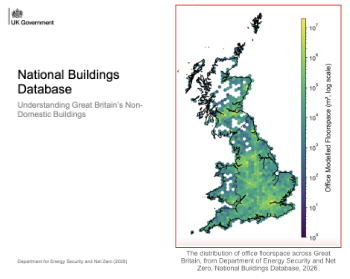
New UK National Buildings Database.
Building Safety Wiki Interviews

Chief executive of the British Woodworking Federation.
Planning condition discharge in England and Wales

A brief explanation from a building compliance expert, with further links.
Overheating guidance and tools for building designers

Guidance for dealing with element of building fabric control that have increasing importance.